Event Management Courses After 12th Commerce
Published on 04 Jul, 2026
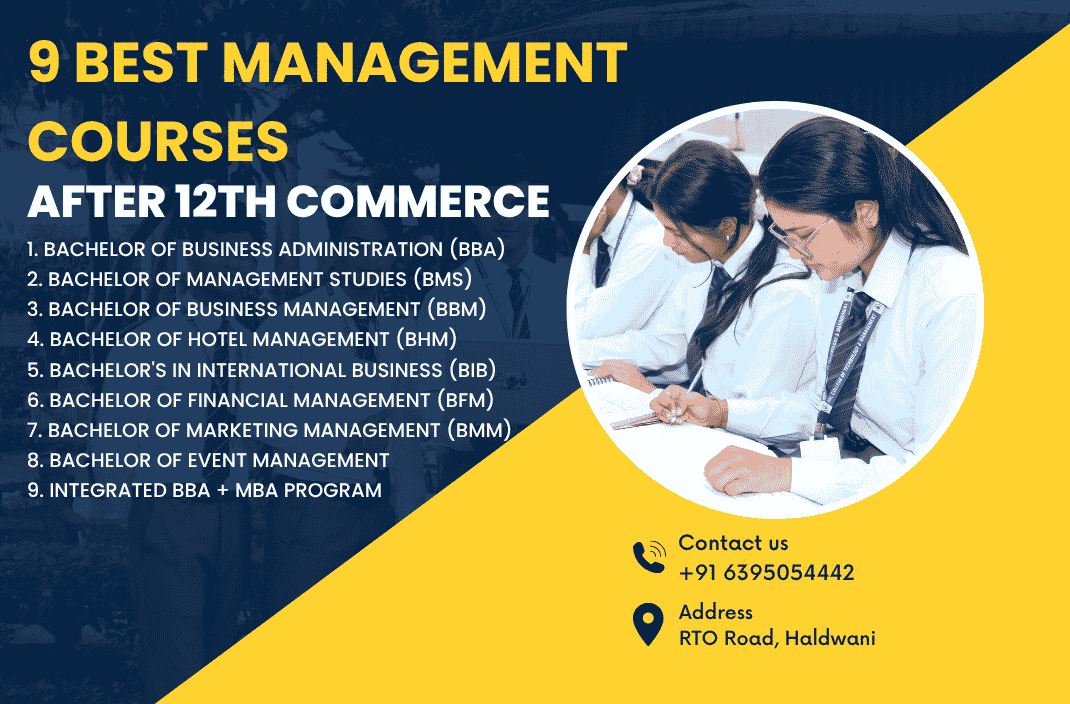
Students have a wide range of options after completing Class 12 in the Commerce stream, which often leads to confusion regarding which course to choose. While some students opt for traditional courses, such as those in accounting, banking, finance, or business administration, creative and dynamic industries are currently experiencing rapid growth.
One such fast-growing course is the Bachelor of Event Management (BEM). If you have completed Class 12 in Commerce and are seeking information about event management courses, this article provides comprehensive details on the subject.
The event management industry in India has witnessed tremendous growth over the past few decades; professional event management is now essential for everything from corporate conferences and destination weddings to fashion shows, sports events, concerts, exhibitions, and product launches, playing a pivotal role in planning and ensuring the success of these events.
With brands increasingly investing in customer engagement activities, the demand for qualified event management professionals is expected to rise further. This course prepares you for a career as a professional event manager or even higher-level roles within the field.
Why Should Commerce Students Choose Event Management?
Many commerce students today feel that their career options are limited to fields like accounting, taxation, or business studies. However, the skills acquired during their studies, such as financial planning, communication, organizational abilities, and business sharpness, actually prepare them well for a career in event management.
After completing Class 12, students have the opportunity to further hone their skills. They also learn about event planning, budgeting, vendor management, sponsorship coordination, client handling, marketing strategies, and risk management; these practical competencies prepare them for a career in the industry right from the start.
Event management also fosters creativity and innovation. When students participate in events, they encounter various issues and challenges, which facilitate continuous learning and help develop leadership qualities. An event management course is an excellent choice for students who enjoy working with people and are keen on facing and resolving real-world challenges.
What is Event Management Course?
When students decide to pursue an event management course, a common question arises: what exactly will they study? This course covers everything from the theoretical aspects to the practical know-how required to make an event successful.
The curriculum includes topics such as event planning, event marketing, financial budgeting, hospitality management, customer relationship management, logistics planning, digital marketing, branding, sponsorship management, venue selection, legal compliance, communication skills, and public relations, all aimed at ensuring the event runs smoothly without any hitches.
Many colleges and universities also facilitate internships, allowing students to gain hands-on experience with live projects before entering the workforce. The demand for professionals in this field is currently on the rise.
Eligibility for Event Management Courses
One advantage for students who have completed Class 12 in the Commerce stream is that the eligibility criteria for event management courses are quite accessible.
Candidates generally need to have passed Class 12 from a recognized institution with 45-50% marks, although some institutes may grant admission with lower scores. Students from Science and Arts streams are also eligible to enroll in event management programs.
However, many universities conduct entrance exams for admission, and students can secure a seat after successfully clearing these tests.
Types of Event Management Courses After Class 12 (Commerce)
Students have various pathways to build a career in event management, depending on their goals and the time they wish to invest. Many educational institutes offer options such as certificate programs, diploma courses, and undergraduate degrees in event management. Students can choose any of these courses based on their schedule.
Certificate courses primarily focus on practical skills and can be completed within a few months. Diploma courses provide students with both in-depth understanding and practical skills; these are an excellent choice for students seeking early employment opportunities.
Bachelor's degree courses in event management provide comprehensive knowledge in areas such as marketing, business management, hospitality, communication, and entrepreneurship. This is an ideal option for students who aspire to take on leadership roles within the industry. However, selecting the right course after Class 12 also depends on a student's interests, time availability, and financial situation. Students should make their choice only after considering all these factors.
Skills You Will Learn During an Event Management Course
To become a professional in event management, one must rely more on practical skills than on theoretical knowledge alone. Therefore, universities teach students both theoretical concepts and practical skills during the course.
Throughout their degree program, students learn about project planning, budgeting techniques, negotiation strategies, client communication, vendor coordination, crisis management, team leadership, time management, marketing campaigns, branding strategies, public speaking, hospitality services, and digital event promotion.
Leading universities that utilize modern technology also train students in event management software, social media marketing tools, customer engagement techniques, and data-driven event planning. These skills make students stand out and excel in today's landscape.
Career Opportunities After Completing an Event Management Course Post-12th Commerce
After completing an event management course following 12th-grade Commerce, students have a wide range of career opportunities within the industry. Since almost every business, educational institution, government organization, and entertainment company organizes events, there is a constant need for qualified professional event management teams.
Graduates can build careers in this industry as event coordinators, event planners, wedding planners, corporate event executives, exhibition managers, conference organizers, celebrity managers, public relations executives, marketing coordinators, hospitality managers, sponsorship executives, production coordinators, and brand activation specialists.
Many students start their own event management companies and build successful businesses after gaining valuable industry experience. Today, this has become one of the most attractive options for entrepreneurship. Experienced event planners can build long-term relationships with clients, which fosters business growth.
However, many students wonder about the salary prospects in this industry. When you pursue an event management course after 12th grade, your salary depends on factors such as practical experience, communication skills, location, and specialization.
Even fresh graduates often secure a good salary package at the start. As they gain experience, handle larger events, and build strong networks with clients, their earning potential increases. Experienced event managers working with multinational companies, luxury wedding planners, entertainment agencies, or corporate organizations often command attractive salary packages supplemented by performance-based incentives.
Conclusion
In this article, we explored how students can pursue an event management course after completing Class 12 in the Commerce stream and the career options available to them in the future. We covered what event management is, the required qualifications, and the topics students learn during the course. If you would like information about any other management courses, please feel free to contact our counseling team, who will provide you with free counseling.